Plumbing problems love to show up at the worst possible moment. A pipe bursts right before work. The sink backs up when guests arrive. The toilet refuses to flush on a night when every store is closed. Emergencies are stressful and expensive, but the truth is that most plumbing disasters do not come out of nowhere. They develop slowly through small warning signs that homeowners ignore or never notice. When you understand how to care for your system before trouble begins, you keep your home safe, you avoid costly repairs, and you create a calmer and more efficient space to live in.
Preventing plumbing emergencies is not about luck. It is about paying attention to your system and staying ahead of the damage. Below are the most effective ways to protect your home and avoid sudden problems that can disrupt your day and drain your wallet.
Pay Attention to Slow Drains
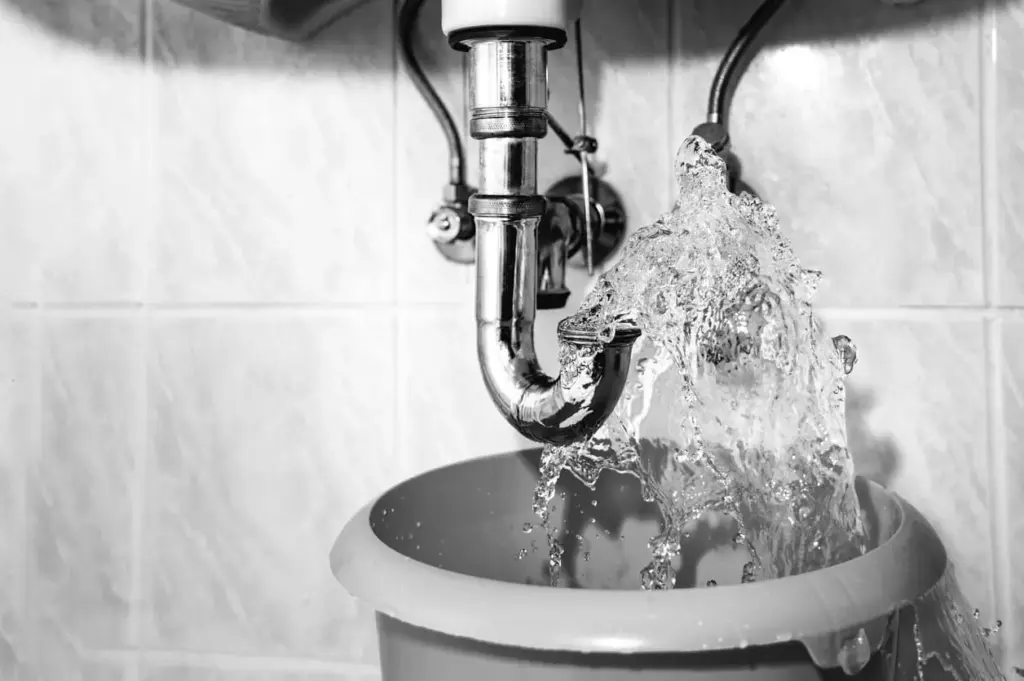
A slow drain is not just an annoyance. It is a message. When sinks, tubs, or showers start to empty slowly, something is building inside the pipes. It may be hair, grease, soap residue, or mineral buildup. If you ignore the problem long enough, the blockage becomes a complete clog. That is when sinks overflow and pipes begin to leak.
Regular drain cleaning keeps water moving through the system and prevents that buildup from turning into an emergency. Use drain strainers in the bathroom to catch hair. Never pour cooking oil or grease into the kitchen sink. If you notice water slowing down, take care of it early before pressure builds inside the line.
Watch for Changes in Water Pressure
Healthy plumbing delivers steady pressure. When the water pressure drops or suddenly increases, the system is reacting to something deeper. Low pressure can mean leaks in hidden areas or buildup in the supply lines. High pressure is more dangerous because it puts stress on your pipes and appliances. Over time that pressure can cause a pipe to burst.
A licensed plumber can measure your pressure and install a pressure regulator if needed. This keeps the entire system balanced. Staying aware of pressure changes and addressing them early protects your plumbing from long term damage.
Inspect Exposed Pipes and Connectors
Most homeowners walk past exposed pipes without even noticing them. These areas include the basement, under sinks, behind toilets, and near the water heater. A quick look every month can help you catch the beginning signs of a problem. Watch for moisture, small puddles, rust, corrosion, or cracks. Even a tiny drip can slowly weaken the system.
Catching these signs early prevents sudden pipe bursts and expensive repairs. Replacing a worn connector or tightening a loose joint is simple compared to repairing major water damage after a failure. Regular visual checks are one of the easiest ways to avoid emergencies.
Flush the Right Things Only
The toilet is not a trash can. Many plumbing emergencies come from items being flushed that do not break down inside the line. Wipes labeled as flushable do not dissolve the way toilet paper does. Cotton swabs, paper towels, feminine products, and dental floss can get stuck in bends or create large blockages over time.
Teach everyone in the home what can and cannot go in the toilet. This small rule prevents clogged sewer lines and stops wastewater from backing up into your home. Keeping the sewer line clear is one of the best ways to prevent late night emergencies.
Maintain Your Water Heater
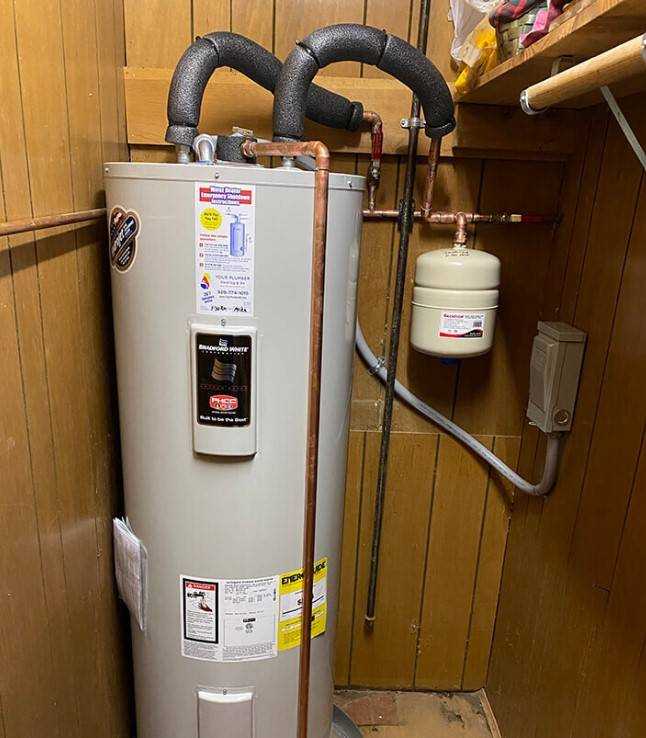
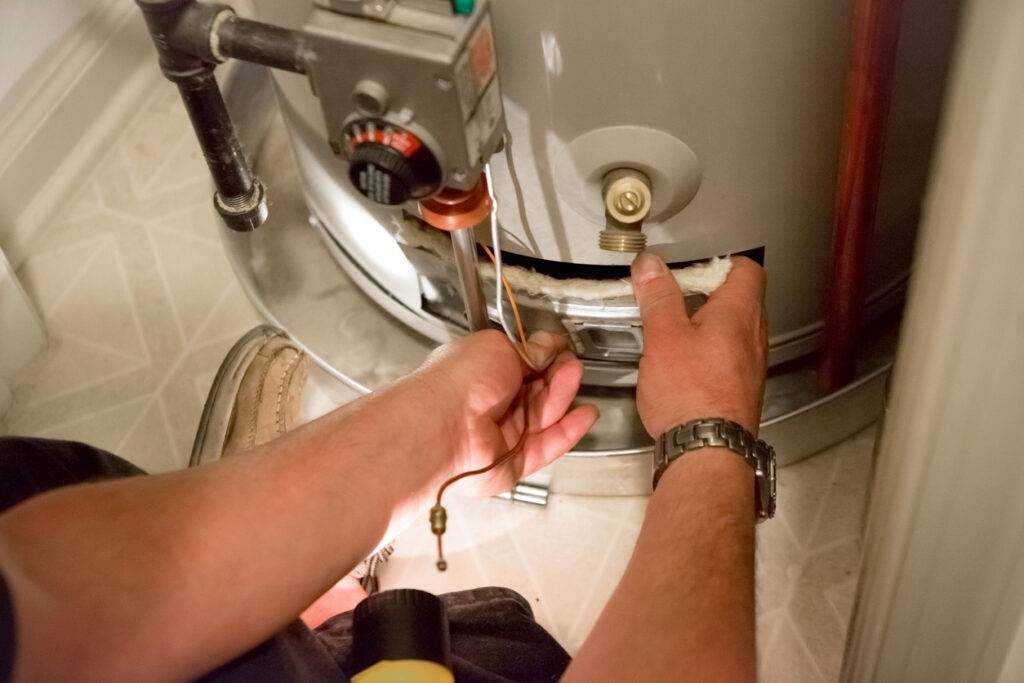
A failing water heater can create leaks, temperature problems, and sometimes complete tank failure. These issues can cause flooding and costly damage to floors and walls. To prevent this, drain a small amount of water from the tank once or twice a year. This removes sediment that settles at the bottom and keeps the heater running efficiently.
Check the temperature setting and the pressure relief valve. If you hear rumbling, popping, or notice inconsistent temperature, call a professional. A well maintained water heater lasts longer and reduces the risk of sudden failures.
Protect Pipes from Cold Weather
Cold weather is one of the leading causes of burst pipes. When temperatures drop, water inside the pipes begins to freeze. As it freezes, it expands and creates pressure on the pipe walls. This can cause cracks or complete ruptures once the ice thaws.
Insulate pipes in unheated areas such as basements, crawl spaces, and garages. During extremely cold weather, allow a small trickle of water to run from faucets to keep water moving. Open cabinet doors under sinks to let warm air surround the pipes. These simple steps protect your plumbing during the coldest months.
Be Careful with Chemical Drain Cleaners
Chemical drain cleaners may seem like a quick fix for clogs, but they often cause more harm than good. These products create heat that can damage pipes especially in older homes. They can also kill the beneficial bacteria in septic systems. If the clog is not removed completely the remaining chemicals sit inside the pipe and continue to cause corrosion.
Choose safer options like drain snakes, natural cleaners, or professional drain cleaning. Protecting your pipes from harsh chemicals will extend the life of your plumbing system and prevent leaks that develop from internal damage.
Check Your Home for Hidden Leaks
Not all leaks are loud or obvious. Some hide behind walls or under floors. Signs of a hidden leak include higher water bills, warm spots on the floor, mold growth, or water stains on ceilings and walls. These leaks can weaken the structure of the home and lead to major emergencies if left untreated.
If you suspect a hidden leak, a plumber can use specialized tools to locate it. Do not ignore the early signs. Finding the source quickly prevents severe water damage and protects the integrity of your home.
Take Care of Outdoor Plumbing
Outdoor spigots, irrigation systems, and garden hoses are easy to forget but they are part of your plumbing system. Disconnect hoses before winter to prevent water from freezing inside them. Inspect outdoor lines for cracks or leaks. Broken sprinkler lines can waste large amounts of water and weaken pressure inside the home.
Keeping outdoor plumbing in good shape supports the rest of your system and reduces the chances of unexpected problems.
Schedule Regular Professional Inspections
Even a well maintained plumbing system benefits from a professional checkup. Plumbers can see things homeowners cannot. They use tools that detect leaks inside walls, buildup inside pipes, and pressure problems developing in the system. A yearly inspection prevents thousands of dollars in repairs by catching issues before they turn into emergencies.
Professional maintenance is especially important in older homes where pipes and fixtures have aged over time. Staying ahead of deterioration is the difference between a quick repair and a major disaster.
Bring It All Together
Preventing plumbing emergencies is all about awareness and action. When you pay attention to early signs, maintain your system, and handle small issues quickly, you protect your home from major damage. A few minutes of care today can prevent a flooded bathroom or a burst pipe tomorrow.
Your plumbing system is one of the most important parts of your home. It carries clean water in and moves waste out. When it works well, life feels simple. When it fails, everything becomes stressful and expensive. Taking the time to understand your system and give it steady care will keep your home safe, clean, and comfortable.
A strong plumbing system is not luck. It is preparation. And with the right habits in place, emergencies stop being a threat and start being something you avoid entirely.